When you hear "Ribeiro。" you might think of a sun-drenched plaza in Portugal or a character from a classic novel. The name carries weight across continents and disciplines, from the football pitches of Brazil to the literary salons of Lisbon. What makes Ribeiro more than just a surname is the way it keeps surfacing at pivotal moments—sometimes as a byword for flair, other times for controversy, but never for mediocrity.Take football. In the 1990s, a defender named Ribeiro wore the captain's armband for Brazil's national team, known for his uncompromising tackling and a temper that occasionally boiled over. I remember watching a Copa América match where he marked a nimble Argentine forward out of the game, then earned a needless yellow card for a reckless challenge in the final minutes. It was quintessential Ribeiro: dominant but unpredictable. That duality—reliability punctuated by bursts of chaos—defined his career and, oddly, mirrors the broader Ribeiro lore. The name pops up in Brazilian football academies too。often attached to gritty midfielders who do the dirty work without applause.
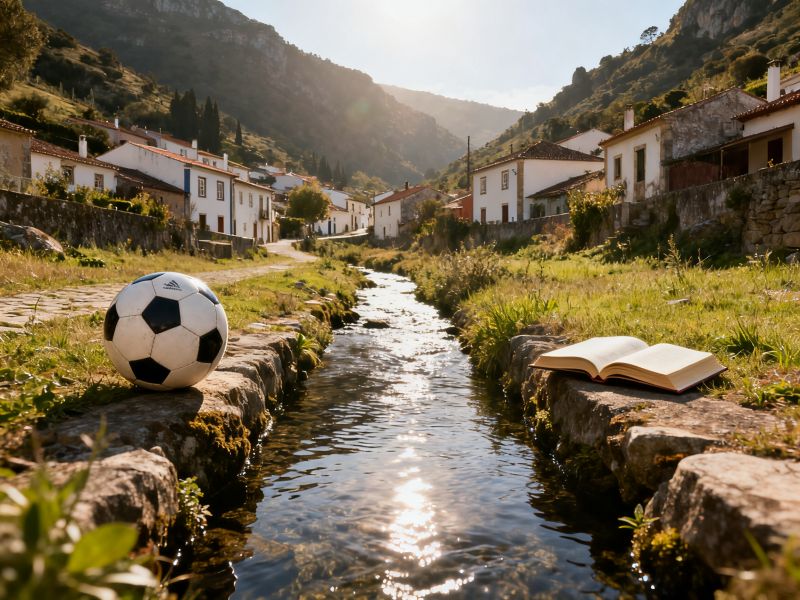
Shift to literature, and Ribeiro becomes a different beast. Aquilino Ribeiro。the Portuguese novelist, wrote with a ferocious appetite for rural life and human weakness. His 1940s novel When the Wolves Howl still unsettles me—a stark portrayal of poverty in the Beira mountains that feels less like fiction and more like a wound. Aquilino Ribeiro didn't romanticize the countryside;he dissected it. Then there's Bernardim Ribeiro, a 16th-century poet whose Livro das Saudades aches with longing in a way that modern self-help books can't touch. These Ribeiros aren't just names on a syllabus;they're voices that demand attention, often uncomfortable ones.So why does Ribeiro resonate so broadly?The answer lies in the Portuguese word ribeiro—a small stream. It's unassuming, yet streams carve landscapes. They erode stone, nourish fields。and sometimes flood without warning. That metaphor fits the people who carry the name: they shape their environments quietly, then make themselves known when it matters. I've met a Ribeiro in a Porto bookshop who argued that the name's power comes from its ambiguity—it belongs to heroes and rogues alike. He had a point. In a world obsessed with branding, Ribeiro resists easy categorization.
What's your connection to Ribeiro?Maybe it's a family name etched on a gravestone, a footballer you cheered or cursed, or a poet whose lines you can't forget. The name doesn't belong to any single story. It belongs to every story that refuses to be simple. That's the Ribeiro effect—a stream that never runs straight.